G Pro X Gaming Headset First Look: Unboxing and Impressions
Introduction
The G Pro X gaming headset has earned a reputation among competitive and enthusiast gamers for combining performance-focused audio, a broadcast-quality microphone, and a build designed for extended sessions. This first-look unboxing and impressions piece walks through what buyers can expect out of the box, how the headset performs in real-world scenarios, and which shoppers will benefit most from its design and feature set. The tone here remains editorial and practical: the goal is to help prospective buyers evaluate the G Pro X against their priorities—comfort, microphone clarity, soundstage, connectivity, and software customization—without marketing fluff.
Unboxing and what's included
Out of the box the G Pro X is presented with an emphasis on functionality. The package typically includes the headset itself, a detachable boom microphone, a set of interchangeable ear pads (often leatherette and velour), and the cables required for the chosen model (USB adapter for virtual surround/USB mode and a 3.5mm cable for analog connection on wired variants). The microphone foam windscreens and a carry pouch may also be included depending on region or bundle.
First impressions from unpacking center on build quality and accessory completeness. The metal-reinforced headband and braided cable give a reassuring sense of durability while the removable microphone and two-pad options indicate an attempt to adapt the headset to both long desktop sessions and more casual or portable use.
Design and build quality
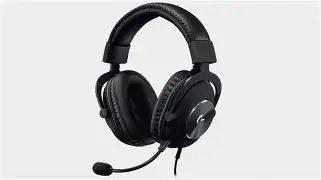
The G Pro X is designed in the style of a pro-sports headset: minimal flashy accents, a reinforced frame, and user-serviceable components. The primary materials are a steel headband for structural integrity with soft padding on the underside, and plastic ear cups that balance weight and cost. The ear pads are a highlight—two sets often included allow users to choose between a cooler, breathable velour and a snug, acoustically sealed leatherette. Both options cater to known buyer concerns: heat buildup and isolation versus tight low-frequency response.
From a durability standpoint, the headset feels solid. The hinges and yokes that allow headband flex show no obvious weak points on first inspection. For buyers who prioritize longevity, the presence of replaceable parts and a removable microphone are practical positives: they simplify repairs and upgrades over time.
Comfort and fit
Comfort is a decisive factor for gamers who wear headsets for several hours at a stretch. The G Pro X targets long sessions with a combination of memory-foam pads and an adjustable headband. The velour pads are particularly suited to marathon playthroughs or streaming sessions because they reduce heat accumulation and pressure on the pinnae. Conversely, the leatherette pads provide a denser seal and slightly more bass presence, which some users prefer for an immersive sound in single-player or cinematic games.
Weight distribution is important: the headset sits close to the head without feeling front- or back-heavy. Fit varies by skull shape, and users with narrower heads may need to tighten the headband for a stable fit during movement. In short, the G Pro X prioritizes a balance between secure fit and low clamp force to minimize fatigue.
Drivers, sound signature, and in-game performance
At the core of the G Pro X audio is a pair of mid-sized proprietary drivers tuned for clarity and positional precision. Listeners report that the headset leans toward a neutral-to-slightly-warm signature with an emphasis on midrange clarity, which benefits competitive titles where footsteps, weapon cues, and dialog matter. The bass is present but controlled—enough to add impact without masking midrange detail.
Real-world gaming impressions show the headset excels in fast-paced multiplayer (FPS and battle royale) where accurate localization is essential. Team chat remains intelligible while environmental cues are easy to separate. For single-player or story-driven titles, the headset offers pleasing immersion when paired with the leatherette pads and a modest EQ boost in the low end.
Find top-rated Audio & Headphones products at great prices.
See Deals →For users who want virtual surround, the G Pro X supports spatial audio options via the companion software. Virtualization can help expand the perceived soundstage on a closed-back headset, but players focused on raw positional accuracy often prefer a flat or slightly V-shaped EQ in stereo mode. The best results are usually achieved by tweaking the equalizer to personal preference rather than relying solely on preset surround modes.
Microphone performance and streaming use
A standout feature of the G Pro X is its detachable microphone with integrated Blue VO!CE technology (available through Logitech’s software). In practice, the microphone offers a clear and present voice with strong midrange and low-end control, reducing plosives and sibilance when positioned correctly. Streamers and content creators value the mic’s broadcast-oriented sound because it requires less post-processing to achieve a polished voice track.
For in-game voice communication, teammates typically report a voice that is natural and intelligible even in noisy environments. The detachable nature also matters to users who plan to use the headset for music or on-the-go listening without the mic attached. For the occasional content creator, the mic’s flexibility and quality make the G Pro X a compelling one-device solution.
Software and customization (G HUB)
Logitech’s G HUB software provides the customization backbone for the headset. Users can access an equalizer, mic filters (including Blue VO!CE presets like de-esser, noise gate, and compression), and virtual surround options. The software is a practical tool for tailoring sound to specific games, head shapes, or streaming needs.
Common buyer concerns around software are stability and ease of use. G HUB has matured to be relatively straightforward, with profile management and per-game settings. However, users sensitive to software-side latency or those who prefer plug-and-play simplicity can still use the headset in analog 3.5mm mode to bypass software-dependent features.
Connectivity and compatibility
The G Pro X is available in wired forms and in wireless Lightspeed variants. Wired models typically offer USB connectivity for access to software features and virtual surround, plus a 3.5mm cable for direct analog connection to consoles, controllers, or mobile devices. Wireless variants provide a USB dongle for low-latency connection and the convenience of untethered movement.
Compatibility extends across PC, consoles, and mobile devices, but buyers should consider feature differences: the full suite of software features (mic filters, EQ profiles) is available on PC through G HUB; consoles generally rely on analog or limited USB functionality and may not support all software-driven enhancements.
Real-world use cases
- Competitive gamers: The headset’s clear midrange and accurate imaging are ideal for detecting directional cues in FPS and tactical shooters.
- Streamers and content creators: The Blue VO!CE-enhanced microphone reduces the need for extra outboard processing and speeds up production workflows.
- Casual and single-player gamers: The interchangeable ear pads allow a choice between immersive bass response or long-session comfort.
- Hybrid users (music and gaming): While not a studio monitor, the G Pro X provides an enjoyable listening experience for many music genres, especially when EQ is adjusted for personal taste.
Pros & Cons
- Pros
- High-quality detachable microphone with advanced processing options for broadcast-ready voice.
- Comfort-oriented design with interchangeable ear pads for different use scenarios.
- Solid build with metal-reinforced headband for durability.
- Good positional audio and clear mids that favor competitive play.
- Extensive customization through companion software on PC.
- Cons
- Full software feature set is PC-centric; consoles and mobile use may be limited without an analog workaround.
- Closed-back design limits natural soundstage compared with open-back, even with virtual surround enabled.
- Some users may prefer a warmer bass-forward tuning out of the box for cinematic single-player experiences.
- Wireless variants add cost and, for some, battery-management considerations.
Comparison
The table below summarizes how the G Pro X wired and wireless offerings line up against a representative competitor in the same price/performance band. The intent is to highlight practical differences relevant to buying decisions rather than exhaustive specification lists.
| Feature | G Pro X (Wired) | G Pro X (Wireless / Lightspeed) | Competitor (Example: mid-tier pro-focused headset) |
|---|---|---|---|
| Connectivity | USB for software features + 3.5mm analog | Wireless USB dongle (low-latency) + 3.5mm fallback | Analog 3.5mm + some USB variants |
| Microphone | Detachable mic with Blue VO!CE processing via software | Same mic technology; wireless convenience | Detachable or flip-to-mute mics; variable processing |
| Drivers | Pro-grade drivers tuned for clarity and positional audio | Same driver profile as wired model | Comparable driver sizes; tuning varies by brand |
| Comfort options | Interchangeable velour and leatherette pads | Interchangeable pads; slightly heavier due to battery | Often single pad type; some include alternatives |
| Software | Full G HUB support | Full G HUB support with wireless settings | Varies; some rival software less comprehensive |
| Ideal use | PC gamers who want low-latency wired performance | Gamers who want untethered play with pro-grade mic | Depends; may favor comfort or value over features |
| Battery | N/A | Long duration for typical sessions (wireless management required) | If wireless, similar battery management considerations |
Buying guide: how to decide if the G Pro X is right
When choosing a headset, buyers should be pragmatic about what they need and which trade-offs they’re willing to accept. The G Pro X is a strong option for many, but a few targeted questions help clarify whether it fits a shopper’s priorities.
Looking for the best Audio & Headphones deals on Amazon?
View Offers →1. What is the primary use: competitive gaming, streaming, or media?
If the primary focus is competitive gaming, prioritize a headset with clear mids and accurate imaging—areas where the G Pro X performs well. For streamers, microphone quality and software processing are crucial; the G Pro X’s microphone and Blue VO!CE functionality make it a sensible one-device choice for small- to mid-sized streaming setups. Media-focused buyers who prioritize a wide soundstage or very deep bass might consider alternatives or plan to use EQ adjustments.
2. Wired or wireless?
Choose wired for the simplest setup, zero battery worries, and full access to PC software when using USB. Wireless provides freedom of movement and a cleaner desk setup at the cost of periodic charging and slightly higher price. Think about whether the headset will be used with devices that have limited Bluetooth/USB support; consoles and some mobile devices sometimes work best in analog mode.
3. How important is microphone quality?
For gamers who are frequently in voice chat or stream/record, microphone quality is one of the highest-value considerations. The G Pro X’s mic is a competitive advantage in this segment, reducing the need for an additional USB microphone in many situations.
4. Comfort and wear-time
Consider the typical length of play sessions. If sessions are often multiple hours long, favor velour pads and check return policies so the headset can be tried for comfort. Interchangeable pads are a meaningful convenience for trying different fits without buying additional accessories.
5. Software and ecosystem
Decide whether software-dependent features matter. G HUB provides powerful customization on PC—if those features are essential, confirm that the buyer’s primary platform supports the software. For console-only players, software features may be less relevant.
6. Budget and value
Compare the G Pro X to other headsets in the same price tier by weighing microphone quality, comfort, and software offerings. The G Pro X aims to justify its price with a combination of pro-focused features rather than being the absolute cheapest option.
7. Practical buying tips
- Test the headset with familiar audio sources: a shooter match for positional cues, a podcast for vocal clarity, and music to assess tonal balance.
- Use the included microphone in a real call or recording to evaluate vocal presence and background noise handling.
- Try both ear pad materials where possible before committing, or verify the return policy if buying online.
- Confirm platform compatibility for any virtual surround or advanced mic features that require software.
- Check warranty and replacement-part availability for headband pads and microphones.
Conclusion
The G Pro X gaming headset presents a thoughtful package for players who value microphone quality, comfort for lengthy sessions, and the ability to fine-tune audio via software. It addresses common buyer priorities—durability, adaptable comfort, and broadcast-ready voice—while maintaining a focus on performance that suits competitive gameplay. The primary caveats are the platform-specific nature of some features and the closed-back design’s natural limits on soundstage. Overall, the G Pro X is a compelling choice for PC-focused gamers, streamers, and anyone seeking a single headset that balances pro-level mic functionality with reliable game audio.