I Switched to the Honor Magic V6 Hands On and Here is What Happened
Category: Mobile Phones
Introduction
The Honor Magic V6 Hands On represents the latest push from Honor into premium foldable territory. The device arrives at a time when buyers expect a blend of productivity, flagship performance, and durable design from foldables. The title of this piece takes a first-person turn, but the narrative that follows is presented in an editorial, third-person voice describing the reviewer’s multi-week switch to the Magic V6 and what prospective buyers should consider. This article unpacks build and design, display and hinge behavior, software and productivity, camera and multimedia capabilities, battery and charging, real-world use cases, and essentials to weigh before buying.
Unboxing the Experience and First Impressions
The Magic V6 makes an impression before it is turned on. The device’s folding form factor immediately communicates purpose: a full-size tablet experience folded into a pocketable phone. The external materials—typically a combination of glass and metal with a matte or satin finish—give the phone a premium feel. Out of the box, attention falls on the hinge engineering and the slimness of the folded profile, two attributes that heavily influence daily comfort.
On turning the device on, the interiors reveal a large inner display and a conventional outer display. The inner screen is designed for multitasking and media consumption; the outer screen is intended for one-handed convenience. The reviewer noted the fold crease was visible under certain light angles, but not intrusive for most tasks—consistent with modern foldable behavior.
Design and Build: Hinge, Ergonomics, and Durability
Design is the most personal part of any foldable. The Magic V6’s hinge mechanism is engineered to balance thinness when folded with a solid, reassuring feel when opening and closing. Over weeks of daily use, the hinge behaved smoothly with no audible squeaks or looseness, an important reliability signal for buyers who plan intensive use.
Ergonomically, the device sits comfortably in two primary states. Folded, it functions as a tall phone that feels more substantial than a slab device but remains pocketable in many jackets and larger pants pockets. Unfolded, it approximates a small tablet that excels at split-screen workflows, reading, and streaming. The weight distribution is even enough to minimize wrist fatigue during one-handed use on the outer display and comfortable during two-handed inner-display sessions.
Durability considerations matter: the device’s outer glass and internal materials are premium, but like other foldables it requires a little more care. The inner display should be treated as a delicate surface—soft cases and mindful pocketing are practical precautions. The reviewer recommends checking warranty coverage details and any optional extended protection plans that specifically mention the hinge or inner display.
Displays and Visuals: Inner vs Outer Experience
The core selling point of a foldable is its screen versatility. The Magic V6 delivers a bright and color-accurate outer display suitable for day-to-day tasks like messaging, navigation, and quick camera previews. The inner display expands that canvas dramatically, turning the device into a productive workspace and an immersive media player.
Real-world usage highlighted a few points buyers commonly care about:
Discover deals on Mobile Phones — updated daily.
Browse Now →- Color and brightness: Both displays are tuned for punchy colors and good outdoor legibility, which matters for navigation and content consumption in daylight.
- Refresh rate: A smooth refresh rate benefits scrolling and animations, which contributes to a premium experience for social apps, web browsing, and gaming.
- Crease visibility: The fold crease is present but not a constant distraction; text, images, and videos remain usable across the inner screen for the vast majority of tasks.
- Touch responsiveness: Multitouch input and typing on the inner keyboard were responsive, with onscreen typing comfortable for extended sessions when the device is propped or supported.
Performance and Everyday Use
Flagship-grade hardware is expected in premium foldables, and the Magic V6 aims to deliver snappy performance across typical real-world scenarios. App launches, web browsing, and multitasking with split screens performed smoothly. Resource-heavy apps—photo editing, large spreadsheets, and heavy multitasking with dozens of tabs—are where the broader canvas of the inner display truly shines.
Thermals and sustained performance are relevant for buyers who use their phones for long gaming sessions or extended content creation. The device managed heat well in everyday tasks, though prolonged gaming produced noticeable warmth on the chassis—typical behavior for thin, high-performance phones.
Software, Ecosystem, and Productivity Features
Software makes or breaks the foldable experience. The Magic V6 ships with Honor’s custom interface layered on top of Android. The interface includes fold-aware features such as optimized split-screen modes, windowed multitasking, and gestures that take advantage of the larger inner display. The reviewer found these features pragmatic: switching an active app between folded and unfolded states generally preserved context, which is crucial for workflows like composing long emails or editing documents.
Compatibility with widely used productivity apps is a buyer concern. Most mainstream apps adapt well to larger, foldable screens, but some niche apps may not be fully optimized. For professionals, it is prudent to test critical apps—banking, enterprise software, or specific productivity suites—before committing to a purchase.
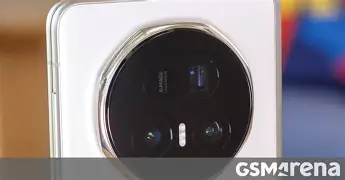
Camera System: Everyday Photography and Video
Camera performance in a foldable must balance hardware capability with software processing. The Magic V6’s camera array is configured to handle the full range of everyday photography: point-and-shoot snaps, low-light scenes, and video for social sharing and casual content creation. Photo processing tends toward a natural-to-vibrant look depending on the scene, and computational photography assists in low-light shots.
Real-world use cases highlighted the following:
- Street and travel photography: The outer display makes framing and quick capture convenient; the inner display provides a larger preview when needed.
- Video calls and productivity video: The inner screen gives an advantage for multi-person calls and screen sharing, while the external camera is adequate for quick video calls on the go.
- Stability and video quality: Optical image stabilization and software stabilization help during walking shots, but dedicated gimbals still improve long-form content creation.
Battery Life and Charging
Battery life is arguably the most practical concern for heavy users. The Magic V6 offered full-day usage in mixed scenarios—email, messaging, some streaming, camera use, and productivity. For power users who lean heavily on the inner display and multitask constantly, a mid-day charge may be necessary.
Charging options—fast wired charging and wireless charging—are typically present on premium devices. Fast charging helps the reviewer get back to full productivity quickly, while wireless charging proved useful for overnight top-ups and desk-side convenience. Buyers should consider their daily charging habits: if they rely on frequently topping up, the availability of fast wired charging will be a strong benefit.
Discover deals on Mobile Phones — updated daily.
View Offers →Speakers, Haptics, and Multimedia
Multimedia consumption benefits from stereo speakers and tuned haptics. The Magic V6 delivers a soundstage that is clear and punchy for on-device video watching and casual music playback. Haptics provide tactile feedback that enhances typing and navigation. For dedicated listening, wired or wireless headphones remain recommended for the best audio fidelity.
Real-World Use Cases and Buyer Considerations
Real-world buyers typically fall into several camps, and the Magic V6 addresses many of their needs:
- Productivity-first users: Those who want a pocketable device that doubles as a small tablet for reading, document editing, and split-screen multitasking will appreciate the inner display and fold-aware software.
- Content consumers: For frequent video watchers and readers, the device’s expansive inner screen and audio quality make it a strong media companion.
- Casual photographers and social creators: The camera system handles everyday needs well, though serious creators will still reach for dedicated cameras or more specialized phone models.
- Users prioritizing durability: Foldables require marginally more care than traditional phones; buyers should evaluate cases and warranty options and consider serviceability for hinge or inner display issues.
Comparison Table: Honor Magic V6 vs Selected Foldables
| Feature | Honor Magic V6 | Samsung Galaxy Fold (Flagship Competitor) | Other Premium Foldable |
|---|---|---|---|
| Form Factor | Book-style foldable with large inner canvas | Book-style foldable with mature software optimizations | Varies; similar book-style design |
| Displays | Large inner display + usable outer display, high refresh rate | Highly optimized inner and outer displays for app compatibility | Comparable: differences in color tuning and brightness |
| Software | Honor’s Android skin with fold-aware features | Samsung’s One UI with long-standing foldable optimizations | Varies, sometimes less mature in multi-window handling |
| Camera | Versatile everyday camera setup | Often best-in-class mobile camera array | Good, but varies by model |
| Battery & Charging | Full-day battery in mixed use; fast charging supported | Comparable battery life; strong fast charging and wireless options | Varies, check real-world tests |
| Durability & Repairability | Premium materials; handle with care | Extensive support and parts availability in many markets | Varies significantly |
Pros & Cons
- Pros:
- Expansive inner display that enhances multitasking and media consumption
- Premium build and hinge engineering that feels solid in daily use
- Fold-aware software features that preserve app context across states
- Versatile camera system for everyday photography and social sharing
- Good audio and haptics for media and typing feedback
- Cons:
- Higher price bracket compared to conventional flagship phones
- Inner display requires more careful handling and protective accessories
- Some niche apps may not fully optimize for the inner screen
- Repair costs for hinge or inner display can be higher than standard phones
- Heavier than typical slab phones, which affects one-handed comfort for some users
Buying Guide: What to Check Before Switching
Switching from a traditional phone to a foldable like the Magic V6 involves more than deciding on specs. The following checklist helps buyers make an informed decision based on real-world priorities.
1. Consider Your Use Cases
- If multitasking, document editing, or reading are daily tasks, a foldable’s inner display is a strong productivity win.
- If primary use is one-handed quick access and pocket comfort, a conventional slab phone may still be preferable.
2. Evaluate Durability and Warranty
- Check what the manufacturer warranty covers—hinge, inner display, water resistance, and accidental damage policies matter.
- Investigate official repair channels and expected repair turnaround times in your region.
3. App Compatibility and Software Updates
- Test critical apps if possible (work tools, banking apps, accessibility tools) to ensure they behave well on a foldable.
- Check the manufacturer’s software update policy—security and OS updates extend device longevity.
4. Accessories and Practical Protection
- Buy a reputable case designed for the device to protect the outer surfaces and help prevent hinge damage.
- Consider screen protectors made for the inner display and use a protective pouch for carrying.
5. Battery and Charging Habits
- Assess daily battery needs—if heavy inner-display use is expected, plan for mid-day top-ups or fast charging routines.
- Wireless charging support can be a convenience factor for desk-side topping up.
6. Price vs Value
- Compare the device to other foldables and premium flagships to weigh which features justify the price for the buyer’s needs.
- Look for seasonal promotions or trade-in options that can reduce the effective cost.
Final Thoughts and Conclusion
The Honor Magic V6 Hands On offers a compelling picture of what modern foldables can deliver: a balanced mix of productivity, multimedia prowess, and flagship-level polish. For buyers who prioritize a larger canvas for split-screen workflows, reading, and media consumption without carrying a separate tablet, the Magic V6 provides tangible benefits. Its hinge and build quality feel confident in daily use, and the fold-aware software makes the device more than the sum of its parts.
However, foldables are still a class of device that require pragmatic trade-offs. Buyers should accept that inner displays need more careful handling, that some apps may not be perfectly optimized, and that repairs can be costlier than for traditional phones. For those whose use cases align with the strengths of a foldable—productivity on the go, immersive media, and a desire for a unique device experience—the Magic V6 is a strong candidate. For those who value simplicity, pocket lightness, or the widest possible repair/third-party support, a conventional flagship might remain the better fit.
Ultimately, the reviewer’s switch to the Honor Magic V6 demonstrated that foldables are increasingly practical for everyday life, rather than niche curiosities. The Magic V6 makes compelling strides toward making the foldable form factor a mainstream option for users who want more screen, more multitasking, and a fresh take on what a smartphone can be.