The Real Truth: Jbl Tour One M3 or Kanto Ren?
When shoppers set out to upgrade their audio setup, they frequently encounter two very different but equally compelling options: premium wireless headphones and powered bookshelf speakers. The JBL Tour One M3 and the Kanto Ren represent modern takes on those categories — one focused on personal, mobile listening with active noise control, the other focused on shared, room-filling performance for a desk or living room. This article compares them across real-world use cases and buyer priorities to help readers choose the right device for how they actually listen.
Overview of the contenders
JBL Tour One M3 — personal, portable, and tuned for focus
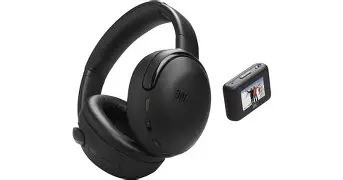
The JBL Tour One M3 is a closed-back, over-ear wireless headphone designed for everyday mobility and focused listening. It emphasizes convenience features such as wireless Bluetooth connectivity, active noise cancellation (ANC), and on-ear controls. Its strengths lie in private listening, travel, and noisy environments where isolation and comfort matter most. The Tour One M3 is positioned for listeners who want a complete package: comfort for long sessions, software-driven tuning, and simple multi-device workflows.
Kanto Ren — room-focused, powered bookshelf speaker
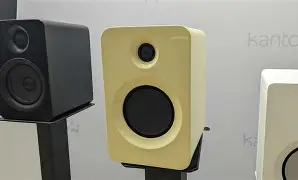
The Kanto Ren is a powered bookshelf speaker aimed at desktop and small-room listening. As an active speaker, it includes amplification and often multiple input options such as Bluetooth, analog, and digital. Ren targets listeners who prefer shared audio experiences or who want a compact but capable speaker for music, gaming, and media consumption. Its appeal lies in soundstage, bass extension appropriate for a room, and convenience for those who don't want a separate amplifier or complex setup.
Detailed product analysis
Sound quality and presentation
The fundamental difference between the two products begins with how they present sound. The Tour One M3 produces an intimate, head-centered stereo image. Closed-back headphone acoustics mean pronounced midrange detail and forward vocal presentation; stereo cues are close and precise, which is excellent for vocal-centric music, podcasts, and focused listening. The Kanto Ren, by contrast, creates a room-based soundstage. Speakers provide a left-right image with depth and ambience that headphones intentionally compress. For listeners who prioritize immersive spatial cues while sharing music or watching movies in a room, the Ren will typically feel more natural and expansive.
Frequency balance and tuning
JBL historically tunes products for a lively, slightly bass-forward signature to deliver perceived impact on the go. The Tour One M3 tends to emphasize low-end weight and midrange clarity, which makes modern pop, hip-hop, and streaming video sound engaging over headphones. Kanto places more emphasis on balanced bookshelf response, where bass is controlled to avoid muddying midrange detail and treble is tuned for clarity at room distances. That means the Ren will often sound more "open" at moderate listening levels, while the Tour One M3 can feel punchier in personal listening environments.
Noise cancellation, isolation, and situational use
Active noise cancellation is a decisive point for many buyers. The Tour One M3 includes ANC to reduce ambient noise — practical for commuting, air travel, and open-plan offices. ANC improves listening comfort and can enhance perceived bass response in noisy environments. The Kanto Ren, as a speaker, has no ANC and instead relies on room placement and acoustic treatment for listening quality. Buyers who need to block distractions or avoid disturbing others in shared spaces will favor the Tour One M3.
Comfort, ergonomics, and physical footprint
Comfort is subjective but critical. The headphones are built to be worn for extended periods; look for soft ear cushions, a forgiving headband, and reasonable clamping force — all factors that influence daily comfort. The Tour One M3 aims for long-session wear. The Kanto Ren trades wearable comfort for physical presence: it takes up shelf or desk space, requires power, and should be positioned for optimal stereo imaging. For someone with limited desk real estate or who values a tidy mobile setup, headphones win on convenience; for someone building a dedicated listening corner, powered speakers are preferable.
Find top-rated Audio & Headphones products at great prices.
Browse Now →Connectivity and ecosystem
Both products cater to modern connectivity needs but in different ways. The Tour One M3 typically supports Bluetooth with multipoint pairing, hands-free calling, and an app for EQ and firmware updates. It excels when switching between phone and laptop or when traveling light. The Kanto Ren aims to be the hub for a desktop system — Bluetooth for casual streaming, plus physical inputs for a computer, turntable (via a phono stage if present), or TV. For multi-device desktop workflows and shared listening, an active speaker like Ren integrates more naturally into a home setup.
Latency and multimedia use
Latency matters for gaming, video editing, and real-time collaboration. Headphones connected via Bluetooth can exhibit latency that is noticeable for competitive gaming unless they support low-latency codecs or a dedicated low-latency mode. Speakers have negligible latency when fed from wired digital or analog sources and therefore often make better sense for multiplayer gaming on a console or for near-zero-lag audio monitoring during video playback. For mobile gaming on a phone, headphones are still the practical choice for personal audio, but buyers should check codec support.
Power, battery, and maintenance
Battery life is a consideration unique to wireless headphones. The Tour One M3 requires charging and has an endurance profile that matters to frequent flyers and commuters. The Kanto Ren, as a powered speaker, must always be connected to mains power but removes battery anxiety; it is always ready and consistent. Maintenance differs too: headphones require ear pad care and periodic charging, whereas speakers need dusting, placement checks, and sometimes firmware updates for networked models.
Pros & Cons
JBL Tour One M3
- Pros: Excellent noise control for travel and busy environments; private listening with strong bass impact; portable and compact when folded or carried; typically feature-rich with app EQ, multipoint Bluetooth, and on-device controls.
- Cons: Headphone listening isolates the room — not ideal for sharing; Bluetooth latency can be a factor for gaming or video sync; long-term comfort varies by earcup fit and clamping force.
Kanto Ren
- Pros: Room-filling sound with natural stereo imaging; no battery concerns and simple integration with desktop or living-room setups; often provides multiple inputs for flexibility.
- Cons: Requires space and mains power; not portable; can disturb others in shared living situations; room acoustics and placement significantly affect performance.
Side-by-side comparison
| Attribute | JBL Tour One M3 | Kanto Ren |
|---|---|---|
| Type | Wireless over-ear headphones | Powered bookshelf speaker |
| Best for | Solo listening, travel, noisy environments | Shared listening, desk/stereo setup, casual room listening |
| Noise control | Active noise cancellation and passive isolation | None — relies on room acoustics |
| Portability | High — designed to be carried | Low — stationary, requires power |
| Connectivity | Bluetooth, app integration, multipoint | Bluetooth + analog/digital inputs (varies by model) |
| Latency (multimedia) | Potentially noticeable on Bluetooth; depends on codec | Low on wired inputs; ideal for synced media |
| Shared listening | Poor — designed for single listener | Excellent — intended for room listening |
| Power | Battery required and rechargeable | AC-powered; no battery |
| Typical buyer concern | Comfort, ANC performance, battery life | Placement, room acoustics, connectivity options |
Real-world use cases and who should choose which
Commuters and frequent travelers
For someone on trains, flights, or noisy walkways, the Tour One M3 is the practical pick. ANC and passive isolation reduce ambient noise, making long commutes more tolerable and enabling clear phone calls. The portability and battery-powered design mean music and calls continue without needing a power outlet.
Home office and remote workers
Choices depend on workflow. If privacy during calls and the ability to focus are priorities, headphones are preferable; the built-in microphone and ANC help in open-plan or busy home environments. If the person shares a home office or prefers an open audio environment during breaks, the Ren can provide better room presence and comfort for longer music sessions.
Music enthusiasts and casual listeners
For private, critical listening — especially of detailed recordings or intimate acoustic performances — headphones can deliver micro-detail that speakers reveal differently. For listeners who enjoy ensemble recordings, live-sounding mixes, and social listening, the Ren offers a more natural and engaging presentation that leverages room acoustics.
Looking for the best Audio & Headphones deals on Amazon?
View Offers →Gamers and multimedia creators
Latency and microphone quality are considerations. Headphones are convenient for solo gaming and communication with teammates, but their Bluetooth latency can be limiting for competitive play unless wired or low-latency modes are available. For streamers who want to mix audio for an audience, speakers like the Ren tie into desktop setups more easily and avoid Bluetooth lag when wired.
Buying guide — how to choose between them
When deciding between the JBL Tour One M3 and the Kanto Ren, buyers should prioritize their listening context and daily habits. Below are the most important factors to weigh, with practical tips to apply before a purchase.
- Listening environment: Ask whether most listening happens alone or with others. Solo and public listening favors headphones; shared listening favors speakers.
- Mobility needs: If portability and battery-powered operation matter — for commuting or travel — headphones are the natural choice. For a stable desk or living-room setup, a powered speaker brings better room sound.
- Noise control: ANC-equipped headphones solve noisy environments. If noise isolation isn’t a priority and room acoustics are favorable, a powered speaker will sound more natural.
- Space and power: Measure desk or shelf area and confirm mains availability. Speakers require space for stereo separation and an outlet; headphones need only a small storage spot and charger.
- Connectivity and inputs: Evaluate the devices that will feed audio. A TV or turntable may integrate better with powered speakers if the speaker provides the right inputs. For modern multi-device smartphone-laptop workflows, headphones with multipoint Bluetooth are convenient.
- Sound signature preferences: If the buyer prefers impactful bass and close-up vocal presentation, headphones often deliver that sense of immediacy. If the goal is a wide, airy soundstage with natural imaging, bookshelf speakers will better meet expectations.
- Budget and expandability: Consider whether the purchase is a long-term anchor of an audio system. Powered speakers can be expanded with subwoofers or room treatments; headphones are a self-contained solution but can be paired with DACs or wired connections.
- Test before buying where possible: Listen to both in real-life conditions. Try headphones on for extended periods and audition speakers in the room where they will live. Bring familiar music and test for clarity, bass control, and comfort.
Conclusion
The choice between the JBL Tour One M3 and the Kanto Ren ultimately hinges on how and where sound will be consumed. The Tour One M3 excels for personal, transportable listening with the practical benefit of ANC and a compact footprint — ideal for commuters, travelers, and anyone who needs to tune out a noisy world. The Kanto Ren shines in the home or office as a powered speaker that produces a spacious, room-aware soundstage appropriate for shared listening, media consumption, and desktop setups.
Buyers who split time between private and shared listening might even find value in owning both types: headphones for travel and focused work, speakers for relaxed listening and social moments. For those choosing only one, match the device to daily habits — if the listener needs isolation and portability, pick the headphones; if the listener values natural room sound and connectivity for a desktop or living space, choose the powered speakers. Either way, informed testing against the factors above will ensure the selected product fits real-world needs and delivers satisfaction over years of use.