The Ultimate Setup Guide for Your Inzone Kbd H75
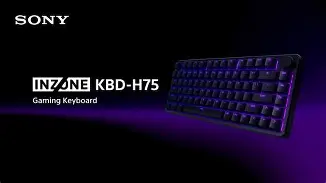
The Inzone Kbd H75 has emerged in conversations among enthusiasts as a compact, feature-rich 75% mechanical keyboard aimed at users who want a middle ground between full-size layouts and ultra-compact boards. This guide walks through what to expect from the H75, how to set it up for different use cases, and how to make configuration choices that match real-world needs—from programming and content creation to competitive gaming and quiet office work.
Introduction
Compact mechanical keyboards such as the Inzone Kbd H75 are popular because they reclaim desk space while keeping commonly used navigation and function keys. Buyers who consider a 75% board typically care about build quality, switch choice, connectivity, and the level of out-of-the-box customization. This article examines the H75’s design and functionality, offers a step-by-step setup and tuning workflow, provides a pros & cons snapshot, and gives a practical buying guide and comparison to other compact boards in the category.
What the H75 Is Designed For
The H75 targets several overlapping user groups:
- Programmers and writers who want a comfortable typing experience and full access to arrow keys, Home/End, and a column of function keys without a full-size footprint.
- Gamers who need macro capability, low latency, and sometimes wireless freedom without sacrificing key availability.
- Creators and streamers who value an attractive, customizable keyboard that can blend into a high-quality desktop setup.
- Remote workers and commuters who want a compact, portable solution but still desire desktop-like functionality when docked.
Detailed Product Review and Analysis
This section covers the H75’s typical hardware and software characteristics, explains how they affect experience, and what to tweak during setup.
Layout and Physical Design
The H75 adopts the 75% layout—compact but functional. It preserves a dedicated arrow cluster and a row of navigation keys (Insert, Delete, Page Up/Down) in a tight layout, which reduces hand movement for many workflows. The chassis is often offered in an aluminum or high-quality plastic frame, with a slightly angled profile for ergonomics. Cable routing for a USB-C connection is usually central or offset, depending on sub-models.
Switches and Key Feel
Many H75 variants ship with MX-style mechanical switches (linear, tactile, or clicky) and a hot-swap PCB option so switches can be swapped without soldering. Keycaps tend to be double-shot or dye-sublimated PBT for durability and a matte texture. For buyers who prioritize sound and feel, pre-installed foam layers, plate material (aluminum, polycarbonate, or FR4), and stabilizer quality all play large roles in the final acoustics and typing feel.
Connectivity and Latency
The H75 typically supports wired USB-C and one or more wireless modes (Bluetooth and/or 2.4 GHz dongle). For gaming, the 2.4 GHz or wired mode provides lower latency; Bluetooth is convenient for multi-device setups and quick laptop detachment. Battery life depends on backlight usage and wireless protocol; disabling RGB and using energy-saving modes extends time between charges.
Lighting, Software, and Onboard Settings
Per-key RGB or zone lighting is common on boards in this class. A companion configuration app provides access to macros, layers, RGB patterns, and remapping. The H75 often offers onboard profile storage (multiple profiles) so users can save layouts without the software running in the background—valuable for public or work machines where installing utilities is restricted.
Stabilizers, Hotswap, and Modifiability
Good stabilizers are essential for larger keys (spacebar, Enter, Backspace). The H75’s quality is judged by whether stabilizers are pre-lubed and clipped, and whether the hot-swap sockets accept a wide range of switch styles. For tinkerers, a gasket-mounted or foam-damped case will invite further acoustic and feel improvements with minimal effort.
Discover deals on Electronics — updated daily.
View Offers →Step-by-Step Setup Guide
This practical walkthrough takes the H75 from box to optimized daily driver. The steps prioritize safety, longevity, and an efficient workflow.
1. Initial Inspection and Firmware Check
- Unbox and visually inspect the keyboard for damage or missing parts.
- Identify the model and firmware version printed on the underside or accessible via the configuration app.
- If vendor firmware updates exist, read the changelog and follow the vendor’s instructions to update—this can fix latency, mapping, or compatibility bugs.
2. Choose the Right Switches and Keycaps
Decide between linear, tactile, and clicky switches based on use:
- Writers and programmers: tactile switches provide feedback without the noise of clicky switches.
- Gamers: linear switches often feel smoother and faster for repeated keypresses.
- Office environments: low-profile or silent tactile switches reduce distraction.
If the H75 is hot-swappable, test swap one or two switches to confirm fit and orientation before fully customizing the board.
3. Stabilizer and Acoustic Tuning
- Check stabilizers for rattle; clipping and lubing stabilizers can remove common sour notes.
- Add or adjust case foam, and consider a switch-film for a tighter sound and feel if the layout supports it.
- Experiment with different plate materials (if replaceable) to tune acoustics: polycarbonate tends to be warmer, aluminum brighter.
4. Connectivity and Power Management
- Test wired and wireless modes. For gaming, use wired or 2.4 GHz to ensure minimal latency.
- Configure Bluetooth pairings carefully: keep profiles labeled in the OS for easy switching.
- Disable RGB when maximizing battery life; use sleep timers and power-saving modes.
5. Software Setup: Key Mapping and Macros
- Create a base layer that matches common expectations (Esc, Tab, Ctrl, Alt, arrow keys).
- Use additional layers for media controls, window management, or gaming macros.
- Save important profiles to onboard memory so the layout persists across computers.
6. Ergonomics and Keyboard Placement
- Place the H75 at a height and distance that keeps wrists neutral. Consider a wrist rest to maintain a relaxed posture.
- Angle the keyboard to align with forearms. Small adjustments to tent angle or tilt often produce significant comfort improvements.
Pros & Cons
- Pros:
- Space-efficient 75% layout that retains essential keys
- Likely hot-swap support for easy customization
- Multiple connectivity options for desktop and mobile workflows
- Potential for strong acoustics and typing feel with post-purchase tuning
- Onboard profile storage simplifies use across multiple systems
- Cons:
- Smaller layout may require a learning period for users coming from full-size boards
- Battery life will vary significantly depending on RGB and wireless configuration
- Default stabilizer lubing and keycap quality can differ by unit—some tuning may be required
- Proprietary software can be limiting if it lacks OS support or advanced macro tools
Comparison: Inzone Kbd H75 vs. Similar 75% Keyboards
The table below compares typical attributes a buyer should weigh when choosing a compact 75% keyboard. Values are presented in categories to help match priorities rather than as absolute metrics.
| Feature | Inzone Kbd H75 (typical) | Keychron-style 75% | Custom-focused 75% (boutique) |
|---|---|---|---|
| Layout | 75% with arrow cluster and nav keys | 75% compact with hot-swap options | 75% fully customizable layouts |
| Connectivity | Wired + Bluetooth / 2.4 GHz (model dependent) | Wired + Bluetooth common | Primarily wired; some offer wireless |
| Hot-swap | Often supported | Many models support hot-swap | Usually hot-swap or solderable options |
| Software | Vendor app + onboard profiles | Basic vendor app; community firmware possible | Community firmware (QMK/VIA) preferred |
| Modding potential | Moderate — plate/foam/stab work | Good — many aftermarket parts | Excellent — designed for modification |
| Price Range | Mid-range | Budget to mid-range | High-end / premium |
Buying Guide — What to Consider Before Purchase
When evaluating the H75 or any 75% keyboard, focus on decisions that affect daily life rather than marketing buzz. The following categories help prioritize features based on use case.
1. Intended Use
Match the keyboard to primary tasks. For intensive typing and programming, prioritize comfortable switch types and stabilizer quality. Gamers should prioritize low-latency modes and macros. Multi-device users should value Bluetooth profiles and quick switching.
2. Switch Type and Modularity
Choose a keyboard with either preferred factory switches or hot-swap capability. Hot-swap eliminates commitment and lets users experiment with different switch types to refine feel and sound.
3. Build Quality and Materials
Aluminum or high-density plastic frames change sound and weight. Plate material and case design strongly influence acoustics. Consider a heavier case for a sturdier feel on the desk and better typing resonance.
Shop the latest Electronics picks on Amazon.
Browse Now →4. Software, Macros, and Onboard Memory
Good software should be intuitive, cross-platform, and not overly invasive. Onboard memory for profiles is essential if the keyboard is used across systems where the configuration app is not installed.
5. Battery and Wireless Considerations
For laptops and small desks, wireless operation may be important—but understand the trade-offs. Look for power-saving features, predictable sleep behavior, and a reliable dongle for 2.4 GHz if gaming is a focus.
6. Community and Support
A vibrant user community and accessible support can significantly extend the useful life of a keyboard. Community-created firmware, guides for modifications, and replacement parts are practical advantages.
7. Return Policies and Warranty
Because tactile preference is personal, a generous return window and warranty coverage are important. Buyers should verify warranty terms for switches, electronics, and cosmetic defects.
Real-World Use Cases and Practical Tips
Below are scenario-based tips that reflect what buyers care about in daily life.
Programmer / Long-form Writer
- Choose tactile switches with moderate travel to reduce wrist fatigue and prevent accidental keypresses.
- Invest in a quality wrist rest and set keyboard height so wrists remain neutral—small ergonomic gains add up over long sessions.
- Use layers for frequently used snippets, IDE shortcuts, or window management macros.
Competitive Gamer
- Prefer wired or 2.4 GHz for the lowest latency and most consistent performance.
- Map important game binds to easily reached keys or layers and disable power-saving features that may introduce lag.
- Test polling rate and input responsiveness before critical sessions.
Office or Shared Environment
- Consider quiet switches or add dampening to reduce noise. Silent tactile switches or O-rings help without losing feedback.
- Onboard profile storage is useful when installing software is not allowed on work machines.
- Label Bluetooth pairings for easy switching between several office devices.
Traveler / Multi-device User
- Opt for Bluetooth and a compact footprint. Verify the ease of pairing and switching across devices.
- Pack a short, sturdy USB-C cable; a detachable cable reduces stress on the connector during travel.
Maintenance and Long-Term Care
Regular maintenance keeps any mechanical keyboard feeling fresh:
- Clean keycaps and surfaces occasionally with compressed air and gentle cleaning solutions safe for plastics.
- Re-lube stabilizers and switches if rattle or scratch emerges. This is a common fix that significantly improves the experience.
- Keep firmware up to date and export profiles so they are recoverable after resets or firmware updates.
Conclusion
The Inzone Kbd H75 represents a practical compromise between full-size ergonomics and compact desk real estate. For users who value a functional arrow cluster and navigation row without a larger footprint, a 75% board can be the best of both worlds. Choosing the right switches, tuning stabilizers, and setting up profiles properly transforms a new H75 from an out-of-box board into a personalized tool tailored to the user’s daily routines—whether that’s coding for hours, competing in online matches, or managing a multi-device workflow. Buyers should weigh connectivity needs, modifiability, and software flexibility when evaluating the H75, and remember that modest post-purchase tuning often yields disproportionately large improvements in feel and sound.